Introduction
As Oman continues to witness rapid infrastructural growth, industrial expansion, and a booming energy sector, the demand for high-quality raw materials has never been higher. Among the most critical materials driving this progress is stainless steel.
Whether you are constructing a massive oil and gas pipeline, setting up a chemical processing plant, or designing modern architectural facades, stainless steel plates are the backbone of your project. But with so many options in the market, how do you find a reliable stainless steel plates supplier in Oman?
In this post, we’ll explore why stainless steel is in such high demand in the Sultanate, what to look for in a supplier, and how choosing the right partner can make or break your project.
The Booming Demand for Stainless Steel in Oman
Oman’s Vision 2040 emphasizes economic diversification, moving away from a purely oil-dependent economy to manufacturing, logistics, renewable energy, and tourism. This strategic shift has triggered a surge in construction and industrial projects.
Stainless steel plates are indispensable in these sectors due to their unique properties:
- Corrosion Resistance: Crucial for Oman’s harsh coastal environments and marine applications.
- Durability & Strength: Essential for heavy-duty industrial machinery, pressure vessels, and structural frameworks.
- Hygiene & Aesthetics: Widely used in food processing units, pharmaceutical plants, and modern architectural designs.
What to Look for in a Stainless Steel Plates Supplier
Not all suppliers are created equal. When sourcing stainless steel plates for critical projects, you need a partner who guarantees quality, compliance, and timely delivery. Here are the key factors to consider:
1. Material Grades and Variety
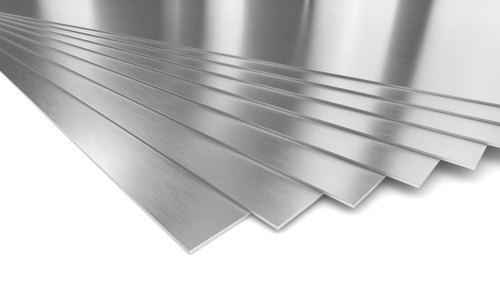
Different projects require different grades of stainless steel. Ensure your supplier stocks a wide range of austenitic, ferritic, martensitic, and duplex grades (such as SS 304, 316, 316L, 321, and 2205). They should also offer various finishes (No. 1, 2B, BA, Hairline) and thicknesses to suit your exact specifications.
2. Mill Test Certificates (MTCs) and Standards
Quality is non-negotiable when dealing with metals. A reputable supplier will always provide Mill Test Certificates in compliance with international standards (such as ASTM, ASME, EN, and JIS). These certificates guarantee the chemical composition and mechanical properties of the steel plates you are purchasing.
3. Stock Availability and Customization
In the fast-paced world of construction and manufacturing, delays are costly. Look for a supplier in Oman with a well-stocked warehouse, capable of fulfilling both standard bulk orders and urgent requirements. Additionally, suppliers offering value-added services like plasma cutting, laser cutting, shearing, and surface protection add immense convenience.
4. Industry Experience and Reputation
An established supplier understands the local regulatory landscape, customs procedures, and logistics challenges within Oman. Look for testimonials, case studies, and a proven track record of supplying to major sectors like oil & gas, petrochemicals, marine, and construction.
Why Local Expertise Matters
While it is possible to import stainless steel directly from mills abroad, partnering with a trusted local supplier in Oman offers distinct advantages:
- Faster Turnaround Times: No waiting for lengthy international shipping and port clearance processes for urgent requirements.
- Cost-Effective Logistics: Reduced inland transportation costs from local warehouses in Muscat, Sohar, or Salalah.
- Personalized Customer Service: Easier communication, on-site consultations, and better after-sales support.
Conclusion
Choosing the right stainless steel plates supplier in Oman is a strategic decision that impacts the safety, longevity, and budget of your project. By prioritizing quality certifications, stock availability, and industry expertise, you can ensure your structures stand the test of time against Oman’s demanding climate and rigorous industrial standards.