
Introduction
Russia’s vast geography is synonymous with extreme environments. From the freezing expanses of Siberia to offshore Arctic drilling rigs, industrial operations in the region face temperatures that can plummet well below freezing. In these brutal conditions, standard carbon steel simply won’t cut it—it becomes brittle and prone to catastrophic failure.
For critical infrastructure in oil and gas, petrochemical processing, and power generation, engineers rely on Low-Temperature Carbon Steel (LTCS) pipes.
If you are procuring materials for a project in Russia, understanding the landscape of LTCS pipe suppliers, technical standards, and supply chain considerations is essential for project success.
Why Low-Temperature Carbon Steel?
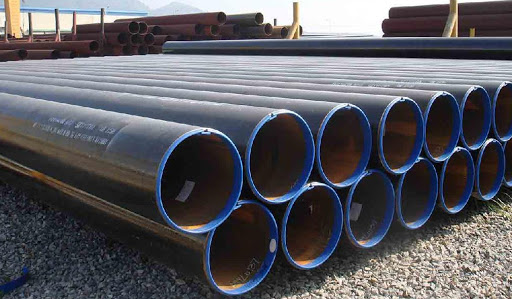
Standard carbon steel loses its impact toughness as the temperature drops. LTCS grades—most notably ASTM A333 Grade 6 (seamless) and Grade 3 (welded/seamless), alongside equivalent Russian GOST standards—are specifically manufactured and tested to retain ductility and structural integrity at sub-zero temperatures, often down to -45°C (-50°F) or even -50°C to -101°C depending on the specific grade and Charpy V-notch testing requirements.
In Russia, these pipes are heavily utilized in:
- Upstream Oil & Gas: Gathering lines, flowlines, and compressor stations in Western and Eastern Siberia.
- LNG Plants & Cryogenic Facilities: Transporting liquefied natural gas and other cryogenic fluids.
- Petrochemical Refineries: Processing units operating in northern latitudes.
- District Heating Networks: High-stress municipal infrastructure exposed to severe winter weather.
The Regulatory Landscape: ASTM vs. GOST/RUSTED Standards
When sourcing LTCS pipes for the Russian market, buyers typically encounter two regulatory frameworks:
- International Standards (ASTM/ASME, API): Often required for international joint ventures, foreign-backed EPC projects, or specific high-spec offshore modules. ASTM A333 Gr. 6 is the global benchmark here.
- Russian Domestic Standards (GOST, TU): Local projects governed by Russian federal regulations require materials that comply with specific GOST standards (such as GOST 8731/8732 for seamless steel tubes) or specialized Manufacturer Specifications (TU – Tehnicheskiye Usloviya) that dictate chemical composition, mechanical properties, and mandatory sub-zero impact testing.
A top-tier LTCS pipe supplier in Russia must be able to bridge this gap, offering mill test certificates (MTCs) that satisfy both international third-party inspection agencies (like SGS or Bureau Veritas) and Russian regulatory bodies (like Rostekhnadzor approvals).
Key Challenges in Sourcing LTCS Pipes in Russia
Procuring high-integrity steel pipes in the current geopolitical and economic climate comes with distinct challenges:
- Sanctions and Import Restrictions: Many high-alloy and specialized Western steel products face export controls. Consequently, reliance on domestic Russian mills (such as TMK, OMK, and ChTPZ) and friendly-nation alternatives (primarily China and India) has increased significantly.
- Logistical Complexity: Transporting heavy industrial pipes across Russia’s vast distances—often to remote regions with limited road or rail infrastructure—requires experienced logistics partners who understand specialized winter transport.
- Quality Assurance: The market unfortunately sees instances of non-compliant or counterfeit steel. Ensuring strict traceability, mill certification, and independent laboratory testing is non-negotiable for low-temperature applications.
What to Look for in a Reliable LTCS Pipe Supplier
Whether you are looking for local Russian stockists or international exporters specializing in the Russian market, evaluate potential suppliers against the following criteria:
- Extensive Inventory & Grade Availability: A good supplier should stock a full range of sizes (NPS 1/2″ to 24″+) in ASTM A333 Gr. 6, along with matching fittings (flanges, elbows, tees) and valves rated for low temperatures.
- Rigorous Testing Capabilities: Ensure the supplier can provide EN 10204 3.1 or 3.2 mill test certificates, including documented Charpy V-notch impact test results at the specified design temperatures.
- Coating and Insulation Services: Low-temperature pipelines often require specialized external coatings (e.g., 3PE, polyurethane foam insulation for permafrost regions) or internal linings. Suppliers offering value-added pre-commissioning services save time and reduce project bottlenecks.
- Track Record in Harsh Environments: Ask for case studies or references demonstrating the supplier’s experience delivering materials to remote Russian regions or severe-service projects.
Conclusion
Sourcing Low-Temperature Carbon Steel pipes for operations in Russia requires a delicate balance of metallurgical knowledge, regulatory compliance, and robust supply chain management. By partnering with suppliers who deeply understand the demands of sub-zero engineering—and who can navigate both international quality benchmarks and local standards—you ensure the safety, longevity, and regulatory compliance of your critical infrastructure.