Introduction
From the towering skyscrapers of Sydney and Melbourne to the vast mining operations in the Pilbara and heavy fabrication yards in Brisbane, Australia’s industrial backbone is built on steel. And at the core of heavy engineering, construction, and manufacturing lies a fundamental material: carbon steel plates.
Whether you are building structural components, pressure vessels, earthmoving equipment, or marine infrastructure, finding the right carbon steel plates supplier in Australia is critical to the success, safety, and profitability of your project.
In this post, we’ll explore what to look for in an Australian steel supplier, the key grades you need to know, and why choosing the right partner matters more than ever.
Why Carbon Steel Plates?
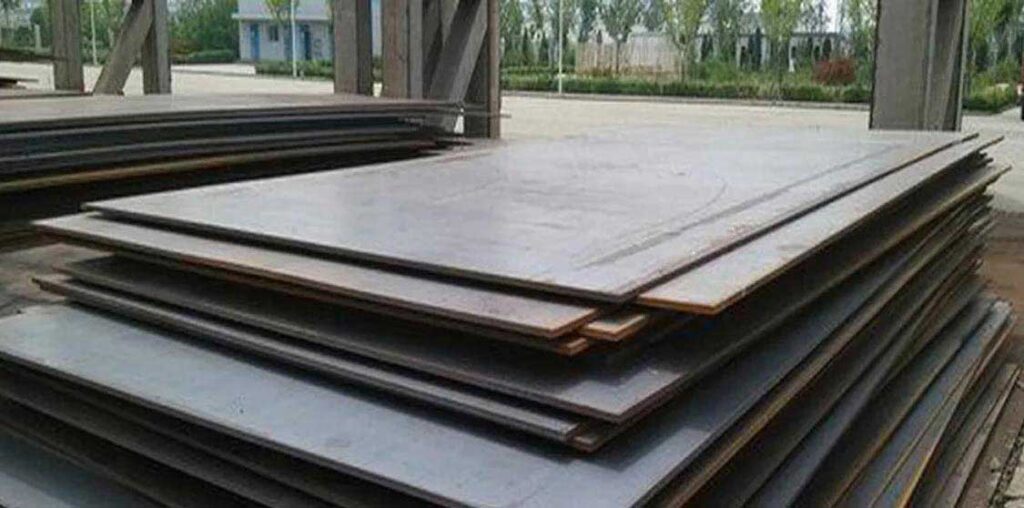
Carbon steel is prized for its exceptional durability, tensile strength, and cost-effectiveness. Depending on the carbon content (low, medium, or high), these plates can offer varying degrees of formability, weldability, and hardness.
In Australia’s demanding environments—where materials must withstand extreme heat, heavy loads, and abrasive conditions—using certified, high-quality carbon steel plates isn’t just about meeting specifications; it’s about ensuring longevity and safety.
What to Look for in an Australian Carbon Steel Plates Supplier
The Australian steel market is robust, but not all suppliers are created equal. When vetting a potential partner, keep the following criteria in mind:
1. Compliance with Australian Standards (AS/NZS)
Australia has stringent quality and safety regulations. Ensure your supplier provides carbon steel plates that comply with relevant Australian Standards (such as AS/NZS 3678 for structural steel plates) or internationally recognized equivalents (like ASTM, ASME, or EN) with full mill test certificates (MTCs). Traceability is non-negotiable in critical applications.
2. Comprehensive Inventory and Grade Availability
A great supplier shouldn’t just sell you steel—they should have the right steel ready to go. Look for suppliers who stock a wide variety of grades, thicknesses, and dimensions, including:
- Structural Grades (e.g., AS/NZS 3678 – 250/350): Ideal for general fabrication, bridges, and buildings.
- Pressure Vessel Grades (e.g., AS 1548): Essential for boilers and pressure containment.
- Wear-Resistant Grades (e.g., Hardox / Bisalloy): Crucial for mining, agriculture, and earthmoving equipment that face extreme abrasion.
3. Value-Added Processing Services
Time is money. The best suppliers offer in-house pre-processing services that save you time and reduce waste. Look for capabilities such as:
- CNC plasma and oxy-fuel cutting
- Beveling and edge preparation
- Surface profiling and drilling
- Bending and rolling
4. Nationwide Logistics and Reliable Delivery
Australia is a massive continent. Whether your project is in an urban manufacturing hub or a remote regional mine site, your supplier must have a robust logistics network. Ask about their delivery timeframes, transport partnerships, and ability to handle oversized or heavy loads safely.
5. Industry Expertise and Technical Support
Steel selection can be complex. A reputable supplier employs knowledgeable sales and metallurgical teams who can offer expert advice on weldability, heat treatment, and grade substitution to help you optimize your design and budget.
Navigating the Supply Chain: Local vs. Imported Steel
One common question buyers face is whether to source Australian-made steel (such as from BlueScope) or certified imported alternatives.
- Local Steel: Offers the ultimate assurance of quality, compliance with Australian conditions, and supports the local manufacturing ecosystem. It often boasts shorter lead times for standard domestic sizes.
- Imported Steel: Can provide cost-effective solutions for large-scale projects or specialized grades not locally produced. However, it is vital to source imports only through established Australian suppliers who rigorously audit their overseas mills to guarantee quality.
Conclusion
Your choice of carbon steel plate supplier dictates the foundation of your project. By prioritizing compliance, product range, processing capabilities, and reliable logistics, you can mitigate supply chain risks and ensure your project stands the test of time.
Are you looking for a trusted carbon steel plates supplier in Australia? Reach out to industry-verified distributors today to request mill test certificates, compare grades, and get a quote tailored to your project’s exact specifications